
Know Your Rights After an Orlando Rideshare Crash
Uber and Lyft accidents are not like regular car crashes. With rideshare cases, whose insurance applies can change in a split second depending on what the driver was doing in the app. One moment, it is personal insurance; the next moment, it may be a large rideshare policy. If you were hurt, those details decide who pays for medical care, lost wages, and other losses.
In Central Florida, this matters even more. Fall brings tourist traffic, theme park events, conferences, and busy nights around downtown Orlando. That means more rideshare cars on the road, more confusion after a crash, and more finger-pointing between insurance companies. Understanding the four main Uber and Lyft “phases” (app off, waiting, en route, on trip) can help you protect yourself from the start. An experienced Uber accident attorney in Orlando can sort out overlapping policies and help injured riders, drivers, and pedestrians understand their options.
When the App Is Off: You Are Just Another Driver
When the app is off, the driver is not “on the clock” for Uber or Lyft. They might be on the way to grab food, to see a friend, or on the road heading toward an area where they plan to go online later. At this point, the rideshare company usually treats them the same as any other private driver.
That means:
- Only the driver’s personal auto policy usually applies
- Uber and Lyft coverage is not active
- You deal with the crash like any other non-rideshare accident
This can create problems. Some personal policies have low limits. Some policies can push back if they think the driver was really out working, even if the app was off at that exact moment. In Florida, it is also common to see crashes where the at-fault driver has little or no insurance.
If that happens, an attorney can help by:
- Reviewing every policy that might apply
- Looking at your own uninsured or underinsured motorist coverage
- Checking for any other sources of insurance that might help pay your claim
Florida insurance rules change over time, and there can be a lot of gray areas. Having someone dig into the fine print can make a big difference, especially when you are trying to focus on getting medical care.
Waiting for a Ride Request: Limited Rideshare Coverage
The next phase is when the driver is logged into the app and waiting for a ride request. The driver is now “online” for Uber or Lyft, but they have not yet accepted a trip. The rideshare company usually provides a smaller level of liability coverage that sits on top of the driver’s personal policy, but it often only kicks in if the personal policy is not enough.
Typical features in this waiting phase often include:
- Coverage that applies if the driver is at fault
- Lower liability limits than during an active trip
- Coverage that may be “contingent,” meaning it applies after the personal insurance
Crashes during this phase can happen anywhere, but we often see:
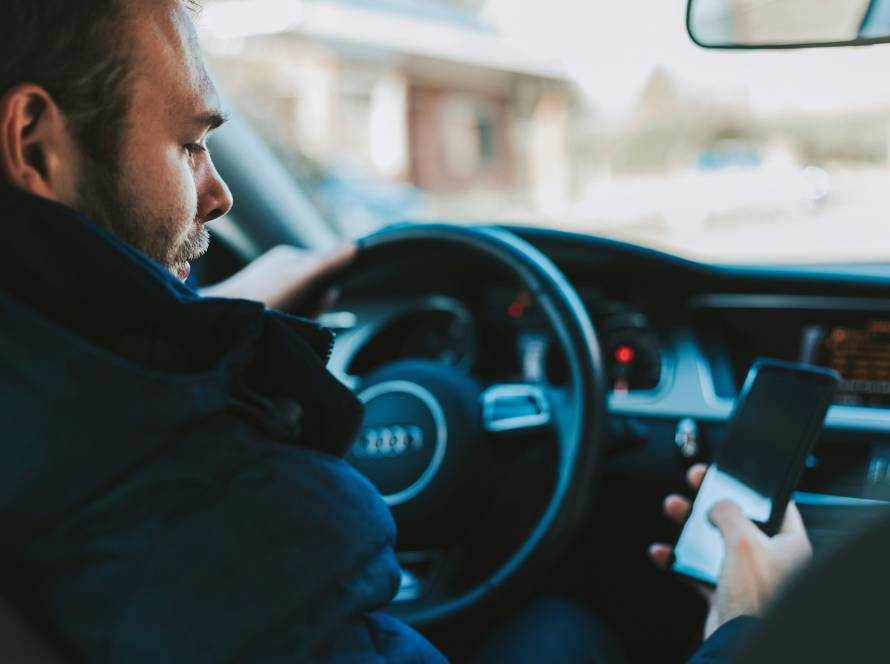
- Rear-end collisions in highway traffic while the driver glances at the phone
- Intersection crashes around busy tourist routes
- Pedestrian injuries in crowded areas near hotels, bars, or attractions
Whether the driver was truly in the waiting phase is a key question. An Uber accident attorney in Orlando may work to:
- Get trip logs and app data that show when the driver logged in or out
- Review phone records and GPS data to match timing of the crash
- Talk to witnesses about what the driver was doing and how the crash occurred
That proof can shift a claim from personal-only coverage to rideshare coverage, which can greatly change the amount of money available to help with injuries.
En Route to Pickup: Coverage Expands Quickly
Once the driver accepts a ride request and starts driving to pick up the rider, the insurance picture usually changes. Now the rideshare company often provides much higher liability coverage. In some cases, there can also be coverage for damage to the driver’s car, depending on the situation and the driver’s own policy.
Common Orlando crash scenarios while the driver is en route include:
- Sudden turns into hotel or resort entrances to avoid missing the rider
- Lane changes near the airport or major highways while the driver follows GPS
- Quick stops and starts near theme parks during busy fall events
In this phase, timing is everything. To help protect an injured person’s claim, it can be important to move fast to:
- Save dashcam or security footage before it is erased
- Get statements from witnesses who may be tourists leaving town soon
- Pin down GPS and trip data to show that the driver had already accepted the ride
When we can clearly prove the driver was on the way to pick someone up, it often opens the door to higher rideshare policy limits, which can be very important if injuries are serious.
During the Trip: Highest Protection for Riders and Others
The “on trip” phase starts when the rider gets into the car or, for some platforms, when the driver taps to begin the ride. It ends when the driver taps to end the ride in the app. During this time, rideshare companies usually provide their highest level of liability coverage, along with other types of protection that may apply to riders and to people outside the car.
During an active trip, available protections can include:
- Higher liability limits for injuries to other drivers, walkers, or cyclists
- Coverage that can help injured riders seek payment for medical treatment and lost wages
- Uninsured or underinsured motorist coverage in some situations
Injuries from these crashes are not always obvious right away. Neck and back pain, headaches, and emotional stress can show up hours or days later. This is especially hard for tourists who might be flying home soon after a crash in Orlando. Follow-up care, missed work, and long-term treatment needs can all come into play.
An attorney can help by:
- Talking with rideshare insurance adjusters so you do not have to handle it alone
- Communicating with health providers about your treatment and records
- Coordinating with people who live out of state and were hurt while visiting Central Florida
Take Control After a Rideshare Crash in Orlando
No matter which phase the driver was in, your steps right after the crash can affect your claim. Here are some general actions many people find helpful:
- Call 911 so there is a police report and medical help if needed
- Get checked by a doctor, even if you think you feel “okay” at first
- Use your phone to take photos of the scene, vehicles, and visible injuries
- Exchange contact and insurance details with everyone involved
- Ask for names and numbers of witnesses, including other riders
- Report the crash through the Uber or Lyft app if you were a rider or driver
- Avoid giving recorded statements to any insurance company before getting legal guidance
In a busy area like Orlando, cameras record over old footage, rideshare data can be harder to get over time, and visitors leave town quickly. An experienced Uber accident attorney in Orlando can step in early to help protect app data, video, and insurance information before it disappears. At Hines Law, we focus on personal injury and work with people across Central Florida who are dealing with the stress, pain, and confusion that follow rideshare crashes.
Take the Next Step Toward Fair Compensation
If you were hurt in a rideshare crash, our team at Hines Law is ready to review what happened and explain your options. An experienced Uber accident attorney in Orlando can help you deal with the insurance companies, gather evidence, and pursue the compensation you deserve. Reach out today to tell us about your situation, or use our online form to contact us and schedule a free, no-obligation consultation.